ETF Buying Basics
Investing in exchange-traded funds (ETFs) offers an affordable way to diversify portfolios across stocks, bonds, or other assets. ETFs trade like stocks on exchanges, so investors use brokers to buy and sell shares. Choosing the cheapest broker can lower your investment cost, which matters because even small fees reduce your net returns over time.
ETFs often have low expense ratios, averaging around 0.10% annually, but transaction costs vary widely. For instance, commission fees used to be as high as $10 per trade but many brokers now offer zero commissions on ETFs. However, there are still hidden costs like bid-ask spreads, platform fees, and account minimums that impact total expenses.
As of early 2024, over 7,000 ETFs exist globally, and cheaper brokers tend to offer broader access. A practical example: an investor spends $5 a trade on a $500 ETF purchase, losing 1% right away. Eliminating or reducing that fee increases investment efficiency.
Common Pitfalls
Many investors focus solely on headline commission fees when selecting brokers, ignoring other charges that add up. Some platforms advertise zero commissions but incorporate fees elsewhere, such as inactivity fees or premium data costs. Mistaking free trades as the only metric often leads to higher overall expenses.
Another error involves ignoring the bid-ask spread. Low-volume ETFs can have wider spreads, meaning you pay more implicitly. The spread sometimes exceeds the nominal commission, eroding gains silently. Also, many overlook account minimums that lock funds out or push them toward less ideal ETFs.
In some cases, brokers offer a limited ETF selection, restricting investors to proprietary funds with higher costs or less desirable exposure. This choice limits portfolio customization and can inflate expense ratios cumulatively.
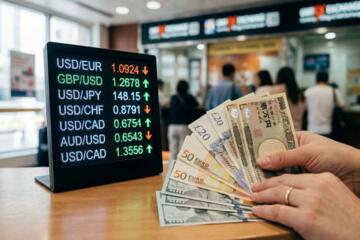
Ignoring currency conversion costs affects international ETF investors as well. Charges can reach 0.5% per trade, negating the low-fee appeal. All these issues distort the true cost of buying ETFs.
Practical Broker Tips
Look for No-Commission ETFs
Choose brokers that support a wide range of ETFs with zero commission trades. Examples include Fidelity, Charles Schwab, and Vanguard, which offer thousands of no-fee ETFs. This lowers explicit costs to zero on entry and exit trades. Such brokers attract investors buying frequently or smaller amounts.
Check for Platform Fees
Not all is commission-free if brokers charge annual or monthly fees for platform access. Interactive Brokers, for example, has low commissions but charges fees if activity thresholds aren’t met. Using brokers without such fees, or meeting minimum trade conditions, keeps costs minimal.
Beware of Spreads and Volume
Prioritize ETFs with tight bid-ask spreads and high liquidity. Even with zero commissions, buying low-liquidity ETFs on discount brokers like Robinhood may cost more overall due to spread. Research average daily volume and standard deviation of spreads on your targeted ETFs.
Check Account Requirements
Avoid brokers with high minimum deposits or required equity. Fidelity and SoFi invest let you open accounts with no minimum, helping beginners start cheaply. Vanguard demands a $1,000 minimum for most accounts, which might stall small investors.
Use Fractional Shares
Some platforms, such as M1 Finance and Schwab, offer fractional ETF investing. Fractional shares let you invest precise dollars instead of whole shares, minimizing cash drag and overpaying for shares. This feature saves cost especially when entering with under $100 initially.
Factor in Currency Conversion
If buying international ETFs, pick brokers with low forex fees. Interactive Brokers' 0.002% conversion fee beats banks' 0.5%. Over multiple trades, this adds up. A neglected cost, but very real for global ETF buyers.
Use Educational Tools
Platforms like Fidelity and TD Ameritrade provide ETF screeners and calculators. Using these tools can help find efficiently priced ETFs matched to your strategy, avoiding unnecessary trading or overhang fees.
Beware of Inactivity Fees
Some brokers like E*TRADE previously charged inactivity fees. These fees punish non-active investors and silently add up. Choosing brokers without them (e.g., Robinhood) avoids unexpected costs, even if you trade irregularly.
Assess Withdrawal and Other Costs
Review withdrawal fees, transfer costs, and odd charges. If you move accounts or withdraw frequently, fees on either side matter. For example, Fidelity does not charge transfer fees, but other brokers might.
Practice in Action
Case #1: A freelance designer used Vanguard, paying $7 per trade. After switching to Schwab's zero-commission ETFs, she cut annual costs by about $140 on $20,000 invested volume. This translated to slightly more capital compounding — not life-changing, but eye-opening.
Case #2: A mid-30s professional invested internationally via Interactive Brokers to save on currency fees. Over a year, forex savings of 0.3% on €50,000 purchases resulted in roughly $150 gains compared to a standard broker. The precision mattered because he rebalanced four times annually.
Broker Costs Compared
| Broker | Commission | Min Account | Currency Fee |
|---|---|---|---|
| Schwab | $0 on ETFs | None | N/A |
| Vanguard | $0 on Vanguard ETFs | $1,000 typical | N/A |
| Fidelity | $0 on ETFs | None | N/A |
| IBKR | $0.005 per share | $0 | 0.002% |
| Robinhood | $0 on ETFs | None | N/A |
Errors to Avoid
Don’t assume commissions are the only cost. Often, inactivity or data fees matter more over time. Check fee schedules carefully.
Avoid trading low-volume ETFs without checking spreads. The extra cost can exceed commissions, negating discounts.
Don’t ignore account minimums or deposit requirements, especially if starting small. They may lock your cash or force fees.
Don’t overlook foreign exchange fees when buying non-domestic ETFs. They silently reduce return and are easy to forget.
Use platforms with fractional shares if you invest small amounts. Skipping this, you might underinvest or overpay for few shares.
FAQ
Do all brokers offer zero-commission ETFs?
No. While many US brokers cover thousands of ETFs commission-free, some have limitations or charge for niche funds.
Are there hidden fees beyond commissions?
Yes. Watch for account fees, inactivity charges, currency conversion costs, and bid-ask spread impacts.
Which brokers support fractional ETF shares?
Charles Schwab, Fidelity, and M1 Finance offer fractional shares, letting you invest exact amounts efficiently.
How important is ETF liquidity?
Very. Higher liquidity means tighter spreads, lowering implicit trade costs significantly.
Can international investors avoid currency fees?
Yes, by using brokers like Interactive Brokers, which have low forex fees compared to banks or traditional brokers.
Author's Insight
From my experience, small fees add up faster than expected. A single $5 commission isn't much alone but quarterly trades push the yearly cost past $20 easily. I focus on no-commission brokers but double-check for inactivity and hidden FX fees, especially since I trade global ETFs. Fractional shares helped me stretch every dollar on smaller accounts in 2023, which, frankly, most people skip over.
What to Remember
Choose brokers with zero ETF commissions and no platform fees. Check liquidity and spreads before buying. Watch for account minimums and currency conversion charges if investing internationally. Using fractional shares extends buying power. Avoid inactivity fees by trading or staying with brokers that don’t charge. Regularly reviewing these factors prevents wasted fees on ETF investments.