Popular Articles
 Funds & ETFs
28.09.2026
Funds & ETFs
28.09.2026
ETF Closure Risk: What Happens to Your Shares?
ETF closure risk affects investors when a fund stops operating and liquidates. This guide explains how ETF share prices, cash distributions, and tax reporting can change during a closure, and what investors can check in fund documents. It is for people holding ETFs in a brokerage account who want practical steps to reduce surprises. You’ll learn the closure process, common investor misconceptions, and a checklist for reviewing your holdings.
 Funds & ETFs
22.09.2026
Funds & ETFs
22.09.2026
ETF AUM vs Trading Volume: Which Metric Matters?
ETF AUM and trading volume both describe liquidity, but they answer different questions. This article explains what AUM measures, what volume measures, and why each can mislead investors when used alone. It’s for readers comparing ETFs, checking spreads, and interpreting liquidity during market stress. You’ll learn how to read bid-ask spreads, turnover, creation/redemption mechanics, and when to weight AUM versus volume for practical trading decisions.
 Funds & ETFs
16.09.2026
Funds & ETFs
16.09.2026
ETF Bid-Ask Spread: When Does It Really Matter?
ETF bid-ask spread affects what you effectively pay or receive when you trade. This guide explains how spreads form, when they matter for long-term investors versus active traders, and how to check liquidity using real market signals. You’ll learn practical ways to estimate trading costs, interpret spread versus volume, and avoid common mistakes when comparing ETFs across brokers and market conditions.
 Funds & ETFs
10.09.2026
Funds & ETFs
10.09.2026
ETF Securities Lending: How Much Risk Is Added?
ETF securities lending is when an ETF’s custodian lends out holdings to earn additional income. This matters for investors who want to understand counterparty risk, collateral terms, and how lending affects tracking and liquidity. This article explains how lending works in practice, what risks are actually present, what numbers to look for in fund reports, and how to compare funds using a checklist. It also covers common misunderstandings and provides educational scenarios for evaluating risk.
 Funds & ETFs
04.09.2026
Funds & ETFs
04.09.2026
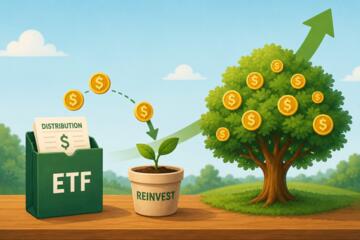
Accumulating vs Distributing ETFs: Tax Impact
Learn how accumulating and distributing ETFs can change your tax outcome, even when the fund’s investments look similar. It’s for investors comparing ETF share classes in taxable accounts and retirement accounts. You’ll learn how dividends, reinvestment, and capital gains interact with tax rules, what paperwork to check, and which jurisdictions create the biggest differences. Practical examples show how holding period and tax treatment can diverge.
 Funds & ETFs
29.08.2026
Funds & ETFs
29.08.2026
Physical vs Synthetic ETFs: 7 Key Differences
This guide explains how physical and synthetic ETFs track indexes, what “swap” exposure changes for risk and costs, and how investors can compare holdings, collateral, and counterparty terms. It’s for readers evaluating ETF mechanics for long-term investing, retirement accounts, or taxable portfolios. You’ll learn seven practical differences, common pitfalls when reading fact sheets, and a checklist to decide what to research next.
 Funds & ETFs
23.08.2026
Funds & ETFs
23.08.2026
ETF Tracking Error: What 5 Metrics Reveal
ETF tracking error shows how closely an ETF follows its benchmark, but the headline number hides causes. This guide helps investors interpret tracking error using five practical metrics: return gap, volatility of active returns, correlation, exposure drift, and liquidity/transaction-cost signals. You’ll learn how to read these measures, what ranges can mean, and how to check disclosures and holdings before comparing funds.
 Funds & ETFs
17.08.2026
Funds & ETFs
17.08.2026
ETF Tracking Difference: How to Measure the Gap
ETF tracking difference shows how closely an ETF follows its benchmark after fees, trading frictions, and tax effects. This guide helps informed investors measure the gap using published facts like total return, NAV return, and index return, then interpret what the difference means. You’ll learn practical checks, common traps, and two educational scenarios for comparing tracking difference across ETFs and time periods.
 Funds & ETFs
11.08.2026
Funds & ETFs
11.08.2026
JEPI Review: How the Income ETF Actually Works
JEPI, the JPMorgan Equity Premium Income ETF, offers a distinctive approach to income investing by blending equity exposure with an options strategy for income generation. This article explains how JEPI functions in the market, what investors often misunderstand about its structure and risks, and practical steps to evaluate it. Real data, cases, and a detailed checklist help uncover if JEPI fits your income goals or if it slips under the radar.
 Funds & ETFs
05.08.2026
Funds & ETFs
05.08.2026
VWCE Review: Vanguard's All-World for EU Investors
VWCE (Vanguard FTSE All-World UCITS ETF) is a popular “one-and-done” choice for European investors who want global stock exposure without building a complicated portfolio. With a single fund, you get access to thousands of companies across both developed and emerging markets, all wrapped in a UCITS structure that fits EU investing rules and platforms. In this review, I’ll break down what VWCE actually holds, how it’s put together, what the ongoing costs look like, and how it has performed in different market conditions. I’ll also cover who it’s best suited for - especially long-term, buy-and-hold investors in Europe - and the real-world considerations like taxes, account availability, and whether it makes sense as a standalone core holding.