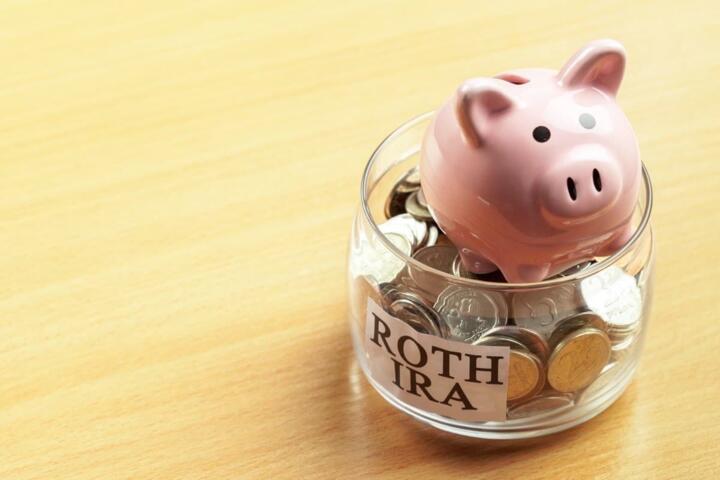
How Roth IRA Functions
A Roth IRA is a retirement account funded with after-tax dollars. Unlike traditional IRAs, contributions don’t reduce your current taxable income. Instead, invested money grows tax-free, and qualified distributions are exempt from federal income taxes. For example, in 2024, the maximum contribution is $6,500 per year, or $7,500 if you're age 50 or older.
Withdrawals start penalty-free at age 59½, after the account has been open for five years. Suppose you contributed $5,000 annually for 20 years and earned an average annual return of 7%. The growth on that could exceed $240,000 tax-free, depending on market fluctuations.
This differs from employer retirement plans like a 401(k), which tax contributions upfront and tax withdrawals later. Roth IRAs give you control and potential tax shelter on gains, but you pay tax during contributions.
Common Misunderstandings
Many assume Roth IRAs offer immediate tax relief or expect withdrawals anytime without consequences. Both are incorrect. Mistaking Roth IRAs for traditional accounts leads savers to miss long-term tax advantages. Also, early withdrawals of earnings before 59½ and before five years often trigger taxes and penalties.
Ignoring the income limits is another problem. For example, in 2024, individuals with modified adjusted gross income above $153,000 (single) or $228,000 (married filing jointly) cannot contribute directly to a Roth IRA. Many misunderstand the role of conversions from traditional IRAs to Roths, which carry tax implications.
Those planning early retirement might wrongly expect to use Roth funds without consequence. The five-year rule is strict and can restrict access to earnings, even if you are older than 59½.
Tips and Strategies
Maximize Annual Contributions
Put in the maximum yearly limit to benefit fully from tax-free growth. Using $6,500 per year can compound dramatically over decades. Platforms like Vanguard or Fidelity allow easy automation to hit these targets consistently.
Use Backdoor Roth Conversions
If income is too high for direct entry, consider contributing to a non-deductible traditional IRA, then converting those funds to a Roth IRA. This strategy demands careful record-keeping and potential taxes on pre-tax amounts but grows more common as income limits rise.
Avoid Early Earnings Withdrawals
Withdrawals of contributions are penalty-free anytime, but pulling investment earnings before 59½ and the five-year mark triggers a 10% IRS penalty plus ordinary income tax. This traps many unaware about the order of funds accessed in an IRA.
Diversify Tax Exposure
Combining Roth IRAs with tax-deferred accounts like 401(k)s balances risks. Roth withdrawals don’t affect taxable income, which helps reduce Medicare premiums and clawbacks on deductions. It’s a strategic hedge against rising tax rates.
Invest in Growth Assets
Treat a Roth as a long-term growth vehicle. Prioritize stocks or mutual funds over cash or bonds, as tax advantages matter most when earnings compound. For instance, an S&P 500 index fund from Schwab or Fidelity typically delivers 7–10% long-term gains.
Keep Track of Contributions
Record each year's contribution and investment gains carefully. This matters because contributions can be withdrawn tax and penalty free anytime, but earnings cannot, unless rules are met. Tools like Personal Capital can help track this with minimal hassle.
Consider Roth for Estate Planning
Roth IRAs don’t require minimum distributions during the owner’s lifetime, unlike traditional IRAs. This allows funds to grow tax-free for longer. In inheritance cases, heirs can withdraw tax free too, subject to required distribution timelines.
Utilize Employer Roth 401(k) Options
If your employer offers a Roth 401(k), you can contribute beyond the Roth IRA limits, with combined limits up to $23,000 in 2024 for those over 50. These plans also have higher income phase-outs, making them a good complement.
Automate Contributions and Rebalancing
Automatic monthly deposits and portfolio rebalancing keep your Roth IRA on track over time. Tools inside most brokerage accounts like E*TRADE can set these routines with minimal intervention.
Real-Life Examples
Case study one: A 35-year-old engineer started maxing out a Roth IRA in 2010 with $5,000 annual contributions. By 2023, with average market growth of 8%, the account reached roughly $130,000, all tax-free at withdrawal.
Case study two: A couple in their early 50s earning $250,000 annually hit income limits for direct Roth IRA contributions. They contributed to traditional IRAs then executed backdoor Roth conversions over 3 years. The extra tax paid still resulted in larger tax-free balances than expected under traditional tax-deferred plans.
Roth IRA Options Compared
| Option | Contribution Limit | Income Limit | Tax Treatment |
|---|---|---|---|
| Roth IRA Direct | $6,500 ($7,500 50+) | $153K single $228K married |
After-tax contributions, tax-free withdrawals |
| Backdoor Roth | $6,500+ | None (via conversion) | Tax paid at conversion on pre-tax funds |
| Roth 401(k) | $23,000 (50+ catch-up) | None | After-tax contributions, tax-free withdrawals |
Errors and Fixes
Failing to track contributions versus earnings causes confusion on withdrawals. Use your brokerage’s statements to track each tax year’s contributions.
Trying to withdraw earnings early without meeting requirements triggers IRS penalties and taxes. Avoid that unless leaving the account for emergencies, and know triggering events allowed.
Missed income limits sometimes lead to excess contributions, risking penalties. Excess contributions must be removed quickly or corrected through recharacterization.
FAQ
Can anyone open a Roth IRA?
Anyone with earned income below IRS thresholds can open a Roth IRA directly. Higher earners may use backdoor conversions.
Are Roth IRA withdrawals taxed?
Qualified withdrawals are tax-free. Early earnings withdrawals may be taxed plus penalties.
What counts as a qualified withdrawal?
You must be 59½ and have had the account five years or more.
Can I contribute after age 70?
Yes, Roth IRAs have no age limit for contributions if you have earned income.
How do Roth and traditional IRAs differ?
Traditional offers pre-tax deductions and taxes withdrawals; Roth reverses those rules.
Author's Insight
I’ve managed Roth IRAs for clients across income ranges. The biggest leap comes from understanding contribution rules early. Mistakes hit painful IRS penalties, but careful planning can grow large, tax-free nests. Automating contributions saves headaches, yet many skip it, which I find frustrating. Diving into backdoor Roth strategies pays off for high earners, though bookkeeping is critical. Invest aggressively in growth assets—cash defeats Roth’s purpose.
What to Remember
A Roth IRA lets you build tax-free income for retirement by paying taxes upfront and skipping tax later. Max out contributions and avoid early earnings withdrawals to keep tax advantages intact. Use backdoor Roths if income blocks direct entry, and combine Roths with tax-deferred plans for balance. Track contributions to dodge penalties. A Roth IRA is a tool best wielded with discipline and clear rules.